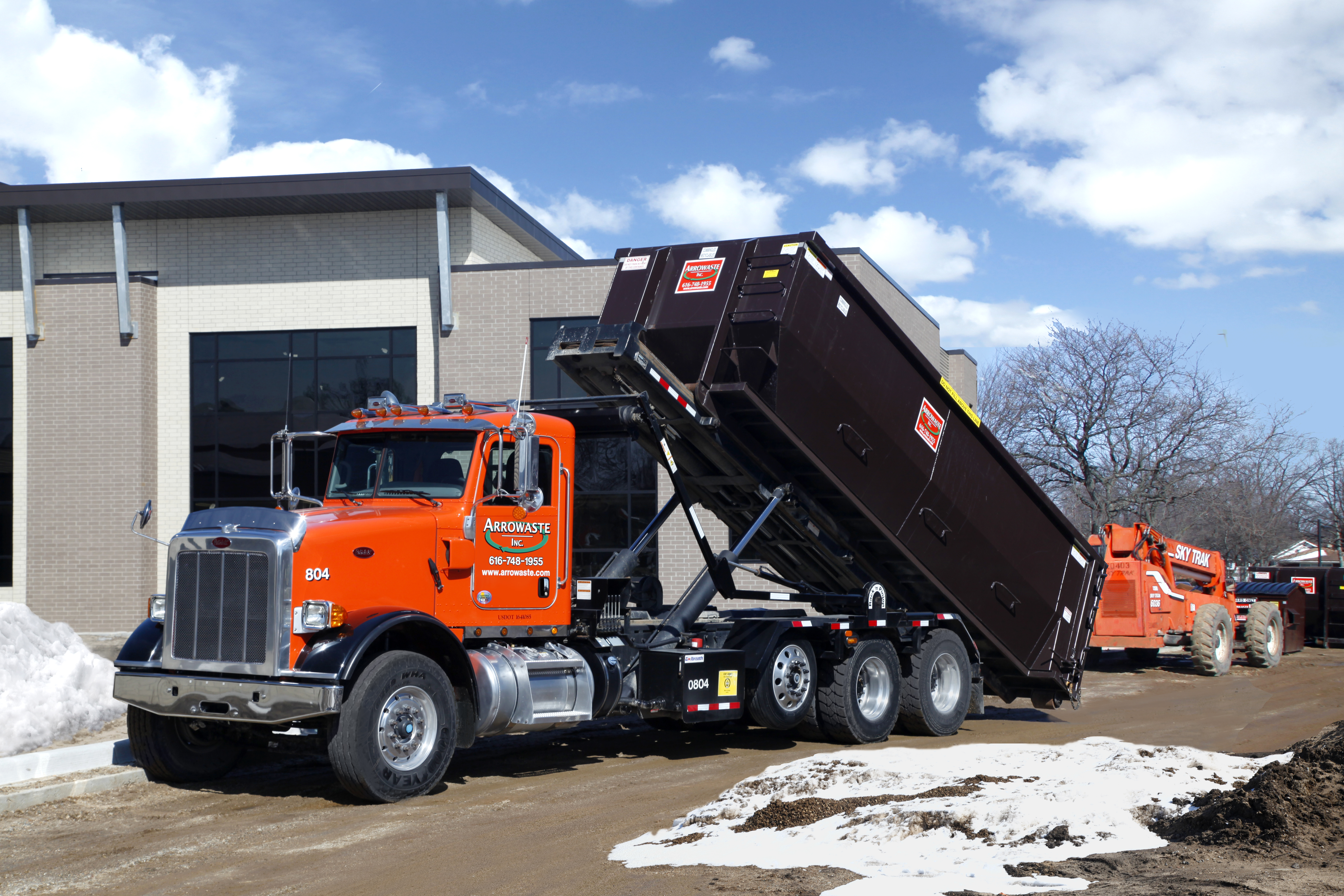
When it pertains to separating recyclables prior to loading your dumpster, understanding what can and can not be reused is critical. It's easy to assume all plastics and papers are acceptable, but that's not always the case. Efficient sorting can make a large difference in the reusing procedure. Allow's check out some sensible suggestions to aid you streamline your efforts and stay clear of common challenges that might impede your recycling success.
Recognizing What Can and Can not Be Recycled
When you're sorting your recyclables, it's important to understand what can and can not be reused to make the procedure effective. Different materials have specific standards, and recognizing these can save effort and time.
As an example, most plastics marked with reusing codes 1 and 2 are typically accepted. Paper items, like cardboard and newspapers, are commonly recyclable, yet they need to be tidy and dry. Glass containers and containers can additionally be recycled, while damaged glass usually can not.
On the other hand, products like pizza boxes, plastic bags, and certain kinds of foam are typically non-recyclable. Recognizing these differences aids you sort correctly, lowering contamination and making certain that your efforts contribute to a more lasting atmosphere.
Tips for Effective Type Of Recyclables
Recognizing what can and can't be reused collections the stage for reliable sorting of your recyclables.
Start by creating designated bins for different products like plastics, paper, metal, and glass. Tag each container plainly to avoid confusion.
Rinse out containers to remove food deposit, as unclean things can infect entire sets. Flatten cardboard boxes to conserve room and make taking care of much easier.
When in doubt, check regional reusing standards to guarantee you're arranging correctly. Keep an eye out for items with recycling signs to recognize recyclable materials quickly.
Finally, think about employing aid from family or friends to enhance the procedure, making arranging not just efficient yet additionally an enjoyable team activity.
Satisfied recycling!
Common Mistakes to Prevent When Recycling
While reusing is a wonderful method to help the environment, many people unwittingly make common mistakes that can weaken their efforts.
One major error isn't washing out containers; leftover food can contaminate whole sets of recyclables. Continue Reading is mixing different materials, like plastic and glass, which can complicate the reusing process.
You might likewise neglect to examine regional guidelines; not all products are recyclable all over. Additionally, tossing in products that are as well small, like container caps, can lead to concerns in sorting.
Lastly, stay clear of wish-cycling-- placing non-recyclable items in the container, wishing they'll be recycled. By avoiding these mistakes, you can ensure your recycling efforts really make a difference.
Final thought
By complying with these best practices for dividing recyclables, you'll make a considerable influence on your neighborhood and the environment. Remember to stay informed concerning neighborhood recycling standards, develop classified bins, and wash containers to avoid contamination. Stay clear of common mistakes and involve your family or friends to make the process extra pleasurable. With a little initiative, you can make certain that your reusing initiatives bring about a cleaner world and a more efficient waste management system.